Good luck on recovery.
You probably already now this, but maybe you or somebody else can learn something:
Keep on updating the blog even if you can't shred. It is good procrastiantion!The initial treatment for all sprains is RICE: Rest, Ice, Compression and Elevation.
Rest: Rest the injured ankle, avoiding any activity that causes further pain. Meanwhile, you can maintain conditioning with activities that won't stress the joint, such as riding a stationary bicycle, using a rowing machine or swimming with leg floats.
Ice: Apply ice as soon as possible. Ice decreases pain immediately by numbing the skin and reduces swelling by constricting blood vessels. Much of the pain from an injury is caused by swelling from torn blood vessels. Controlling the swelling helps you make a speedier recovery.
It's best to use crushed ice in a watertight bag covered with a thin cloth so it's not too cold against the skin. Apply it for 15 minutes directly over the area of swelling. Longer applications may cause a rebound dilation of the blood vessels and may actually increase swelling.
Apply the ice every four to eight hours as long as the swelling continues (even as long as a week). You can use chemical ice packs, but many experts warn that because they do not melt the same way as ice, they can overcool the ankle and cause a chemical freeze to the skin.
Compression: Compress the swollen area with an elastic bandage. Begin the wrap at the toes and continue it up about four inches above the ankle. If you begin the wrap above the toes, all the swelling is likely to accumulate in the toes.
Don't wrap it so tightly that it causes more pain or cuts off the circulation to your toes. While the elastic wrap can reduce further swelling, it usually doesn't provide enough support to prevent reinjury.
Elevation: Elevate the injured ankle as much as possible, particularly while applying ice; this allows gravity to drain some of the swelling. Place the ankle higher than the knee, the knee higher than the hip and the hip higher than the heart. Use books, a suitcase or a box under the mattress at night; this works better than a pillow.
This really has all the information you will need: http://www.sportsdoctor.com/articles/twisted.html


 ), and as a way to show that we all missed you. Everyone helped to do THIS (below) and give a big 'ã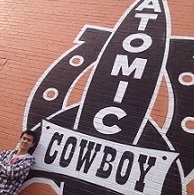


 That was a surprise. So stoked about it, I decided to risk strongside mullet so I could get BSOS, and I got it!

 Cool. That sounds like a really ideal day. I haven't had a chance to play MvC2 since I got back from Japan in the summer... I definitely miss it. My IM basketball team made it to the playoffs, and we have our first game Tuesday night which is exciting. So life is mostly schoolwork and footbag, and definitely a lot more of the former.